


Key Takeaways:
- Full-stack developers handle both front-end and back-end tasks, making them ideal for startups, MVPs, and smaller budgets.
- Specialist developers focus on a specific domain (such as backend architecture or UI/UX), delivering superior quality in complex, enterprise-level applications.
- The choice of Full Stack vs Specialized Developers depends heavily on your project size, budget, and technical complexity.
- Mixing both types often yields the best results for scaling companies.
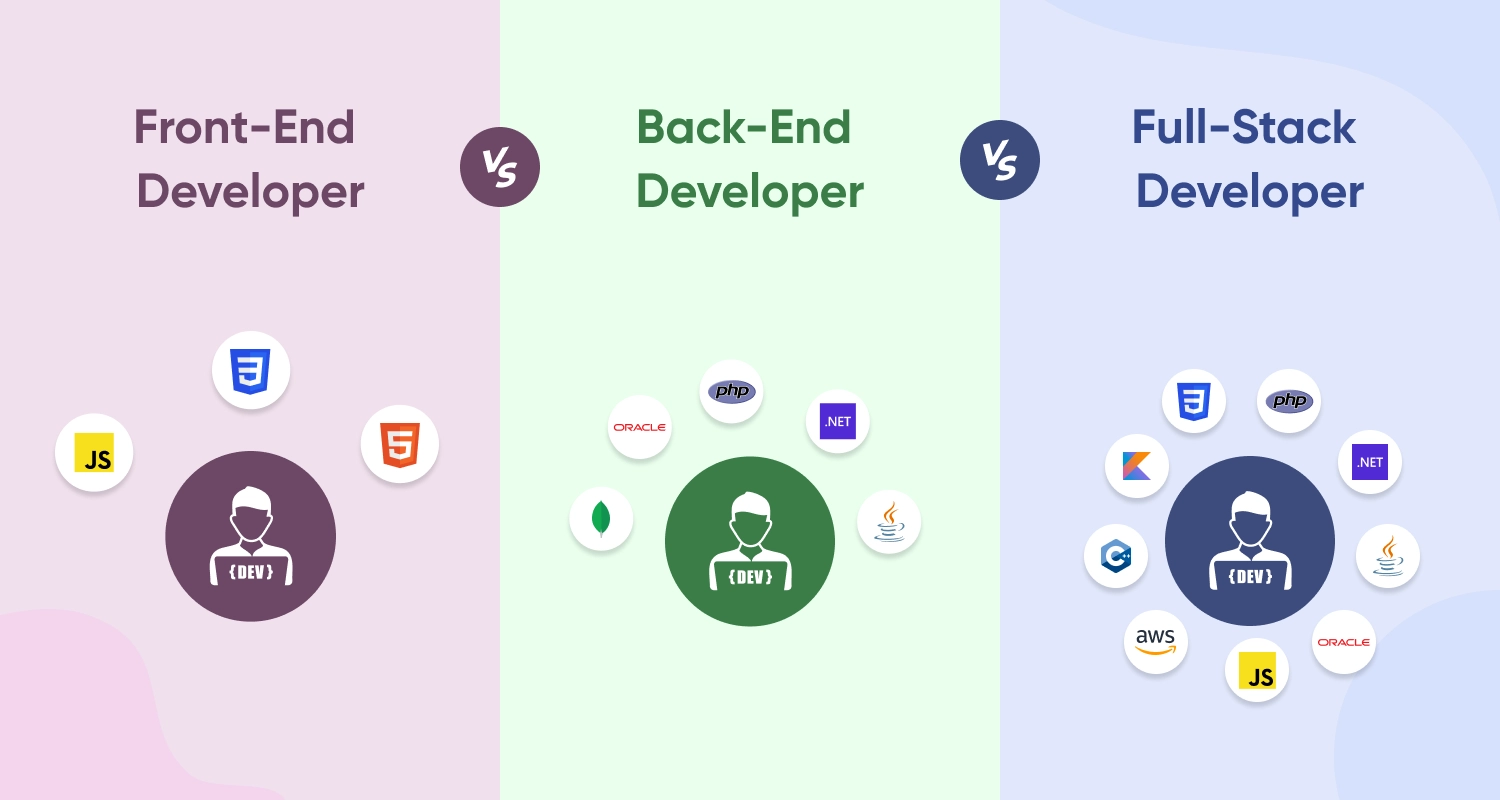
The debate of Full Stack vs Specialized Developers has become increasingly relevant in today’s tech landscape. Businesses must weigh the benefits of hiring full-stack talent against the refined skills of specialists to make informed decisions.
When building an engineering team, the debate of Full Stack vs Specialized Developers is often the first major hurdle for technical managers and founders. Assembling the right talent pool is a top priority for any software or app development company, as the skills you bring on board will directly dictate your product’s scalability, budget, and timeline.
When considering efficiency, many teams compare the advantages of Full Stack vs Specialized Developers in various project stages. Having a team with multifaceted talents is incredibly helpful, but not all developers are built the same. So, what projects are best suited for full-stack skills, and when are specialist developers the superior choice?
In this guide, we will break down the pros and cons of both roles, explore their ideal use cases, and help you decide which path is right for your next project.
What is a Full-Stack Developer?
A full-stack developer is a versatile engineer who can work on both the client-side (frontend) and server-side (backend) of web and mobile applications. Companies highly value dedicated full-stack developers because they can navigate user-focused interfaces while simultaneously managing the underlying database logic.
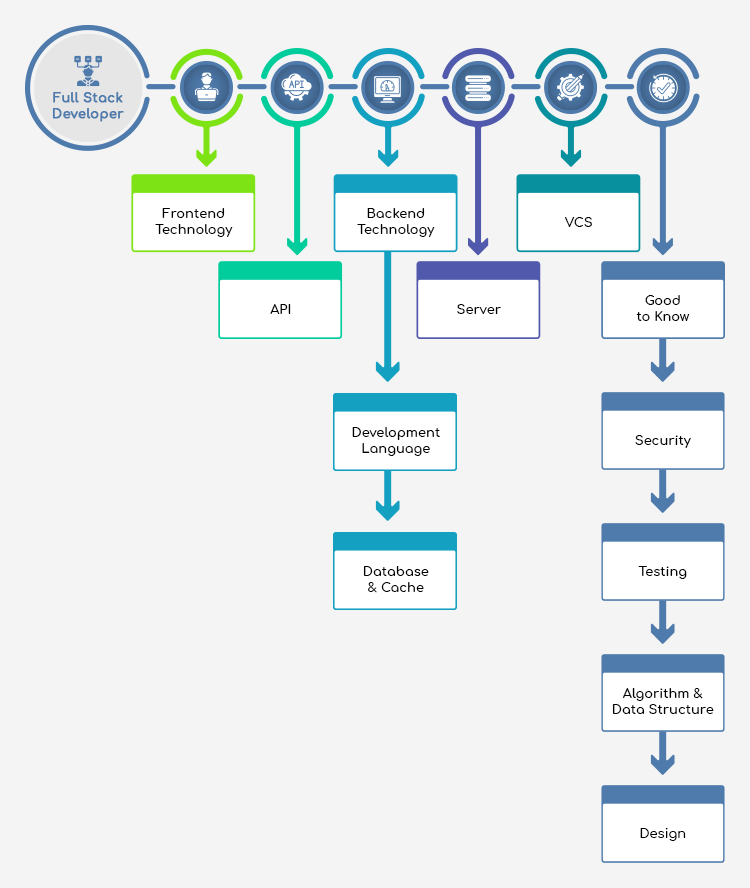
A typical full-stack developer has a working knowledge of:
- Frontend Frameworks: React, Vue.js, Angular, Node.js
- Backend Languages: PHP, Java, Python, .NET
- Design: Basic UI/UX principles
- Markup: HTML and CSS
- Databases: MySQL, PostgreSQL, MongoDB, Firebase
- Quality Assurance: Testing tools like Selenium, Postman, or Katalon Studio
Contrary to popular belief, a full-stack developer does not write every single line of code for an app completely alone. Their true value lies in their comprehensive understanding of project architecture, which allows them to bridge gaps, integrate libraries, and keep the project roadmap on track.
What is a Specialist Developer?
As the name suggests, a specialist developer dedicates their career to mastering a single, specific discipline. Their entire workflow, capability, and output revolve around that one domain.

While smaller firms with under 500 employees lean heavily on full-stack generalists who make up 27% of the workforce according to the Stack Overflow Developer Survey, large enterprise environments scale by isolating specialized roles.
For example, database architecture is handled by a database architect, while a front-end developer handles user interface and browser performance issues. Such specialists, called “masters of one,” succeed in organizations with over 1,000 employees (accounting for approximately 30% of the market).
Comparing Full Stack vs Specialized Developers in Real Projects
As the industry evolves, the conversation surrounding Full Stack vs Specialized Developers will continue to grow, making it essential for businesses to stay updated on trends and best practices. To truly understand the Full Stack vs Specialized Developers dynamic, we must look at the distinct advantages and disadvantages each brings to a development cycle.
The Pros and Cons of Full-Stack Developers
Full-stack developers offer immense flexibility and can be the engine of a lean development team, but relying on them too heavily has its drawbacks.
Pros:
- Task Versatility: Because they understand the entire software development lifecycle, they can be dynamically reassigned to wherever the project needs them most.
- Budget-Friendly: For startups or small-budget projects, hiring one or two full-stack developers is far more cost-effective than hiring a complete team of separate specialists.
- Seamless Communication: They understand both the server-side and client-side, enabling them to troubleshoot integration issues more quickly.
Cons:
- Time Management Bottlenecks: If an entire project relies on just one full-stack developer, unresolved tasks can pile up quickly.
- Missing Cutting-Edge Trends: Technology moves fast. It is challenging for a full-stack developer to stay up to date with the absolute latest techniques for every language and tool.
- Overwhelming Workloads: Because they can do everything, they are often asked to do everything, which can lead to burnout.
The Pros and Cons of Specialist Developers
Specialist developers bring elite-level quality to specific project areas, but they require a larger budget and stronger project management.
Pros:
- Exceptional Quality of Work: When you hire a specialist, you are getting an expert. They write cleaner, more secure, and highly optimized code within their domain.
- Always on the Cutting Edge: Because their focus is narrow, specialists can easily stay up to date with the latest trends and framework updates.
- Clear Task Allocation: You know exactly what each developer excels at, making it easy to break a large project into highly specific, manageable tasks.
Cons:
- Higher Development Costs: Hiring a dedicated frontend developer, a backend developer, and a QA tester will naturally be significantly more expensive.
- Increased Dependencies: A backend specialist might have to stop working if they are waiting on the frontend specialist to finish an interface, requiring rigorous project management.
- Siloed Thinking: Specialists can sometimes develop tunnel vision, losing sight of broader product goals.
Full Stack vs Specialized Developers Comparison Matrix
To make your hiring decision easier, here is a detailed breakdown of how the Full Stack vs Specialized Developers ‘s roles compare on various project metrics.
| Features | Full-Stack Developers | Specialist Developers |
| Depth of Knowledge | Broad, system-wide understanding across all layers. | Deep, domain-specific expertise in one exact area. |
| Ideal Project Stage | Startups, building MVPs, and small to medium projects. | Scaling enterprise apps and complex architectures. |
| Cost Efficiency | High (fewer initial hires needed to cover the stack). | Low (requires multiple hires to build a complete team). |
| Code Maintenance | Good for maintaining monolithic, straightforward codebases. | Excellent for maintaining highly complex, microservice architectures. |
| Flexibility in Sprints | Highly flexible; can shift from frontend to backend as needed. | Rigid; can only be assigned tickets related to their specific domain. |
| Bug Resolution Speed | Fast for integration bugs (e.g., API to UI connection). | Fast for deep, layer-specific bugs (e.g., memory leaks). |
| Tooling | Uses a wide ecosystem of IDEs, package managers, and build tools (e.g., VS Code, Git, Docker, CI/CD pipelines) to glue the stack together. | Uses advanced, domain-targeted tools (e.g., AWS for DevOps, Webpack/Figma for frontend, PyTorch/Airflow for Data, specialized query optimizers for backend). |
Not only do Full Stack vs Specialized Developers offer different advantages, but their approaches can significantly impact project outcomes. Understanding these differences is crucial for project success.
Conclusion
Ultimately, the choice between Full Stack vs Specialized Developers is not about which role is objectively better; it is about which role aligns with your specific business goals.
For a startup with a limited budget, building an MVP with full-stack development allows you to do more with fewer resources. Conversely, if you are an established company building a highly complex application, investing in specialist developers will ensure the quality, security, and scalability your product demands. Assess your project scope, look at your budget, and build the team that fits your current reality.
What is the difference between a full-stack and a specialized developer?
A full-stack developer builds both the client-side and server-side of the app. Whereas a specialized developer concentrates solely on one domain, such as front-end user interface, database, DevOps, or security.
When should I hire a full-stack developer?
Hire a full-stack developer if you are building an MVP (Minimum Viable Product), operating on a tight budget, or need someone who can independently oversee the entire scope of a small-to-medium project. They limit dependencies and accelerate the development timeline.
When is it better to hire a specialized developer?
Choose specialists for complex, large-scale systems. If your project requires high-level performance optimization, intricate database architecture, or deep security integrations, a specialist’s technical depth will yield a more robust final product.
Are full stack developers cheaper than specialists?
Yes and no. While you might initially pay less for a single full-stack developer compared to a team of separate specialists, the development timeline may take longer. However, hiring multiple specialists for parallel development can lead to faster delivery, although it significantly increases your total project budget.
Can a full-stack developer handle scaling and performance?
Yes, experienced full stack developers understand how different systems integrate and can handle initial scaling. However, as your application grows to handle millions of users and high transaction volumes, you will eventually need a specialized DevOps or back-end architect to maintain peak performance.
Should I build a team of specialists or hire one full stack lead?
For many small to mid-sized businesses, the ideal approach is a hybrid team. You can lead the project with one experienced full-stack developer who understands the big picture, while bringing in dedicated specialists to tackle the deeper, more complex architectural needs.